A Question That Comes Up More at Resale Than Move-In
Homeowners usually think about gas versus wood when they're deciding what to install for their own comfort. Sellers think about it differently, because by the time a fireplace becomes part of a listing, the question isn't which one you'd enjoy more, it's which one helps the sale move faster and which one might slow it down. Across Thousand Oaks and the rest of Ventura County, both fuel types show up regularly in listings, and each brings its own set of buyer reactions.
What Buyers Assume Walking Into a Showing
A buyer touring a home with a wood-burning fireplace tends to bring a specific set of questions, whether they ask them out loud or not: has this been swept recently, does it have a working cap, is there any documentation from a past inspection. These aren't unreasonable questions. Wood-burning systems carry more maintenance history to account for, and buyers who've owned one before know it.
A buyer touring a home with a gas fireplace tends to assume less maintenance risk, correctly in most cases, and often responds well to seeing it demonstrated during the showing. An agent flipping a switch and getting a clean, even flame is a small but real positive moment in a tour.
Neither reaction is universal. Plenty of buyers specifically want a wood-burning fireplace and see a gas unit as a downgrade. But across this market, the pattern holds often enough that it's worth planning around.
Where Wood-Burning Still Wins
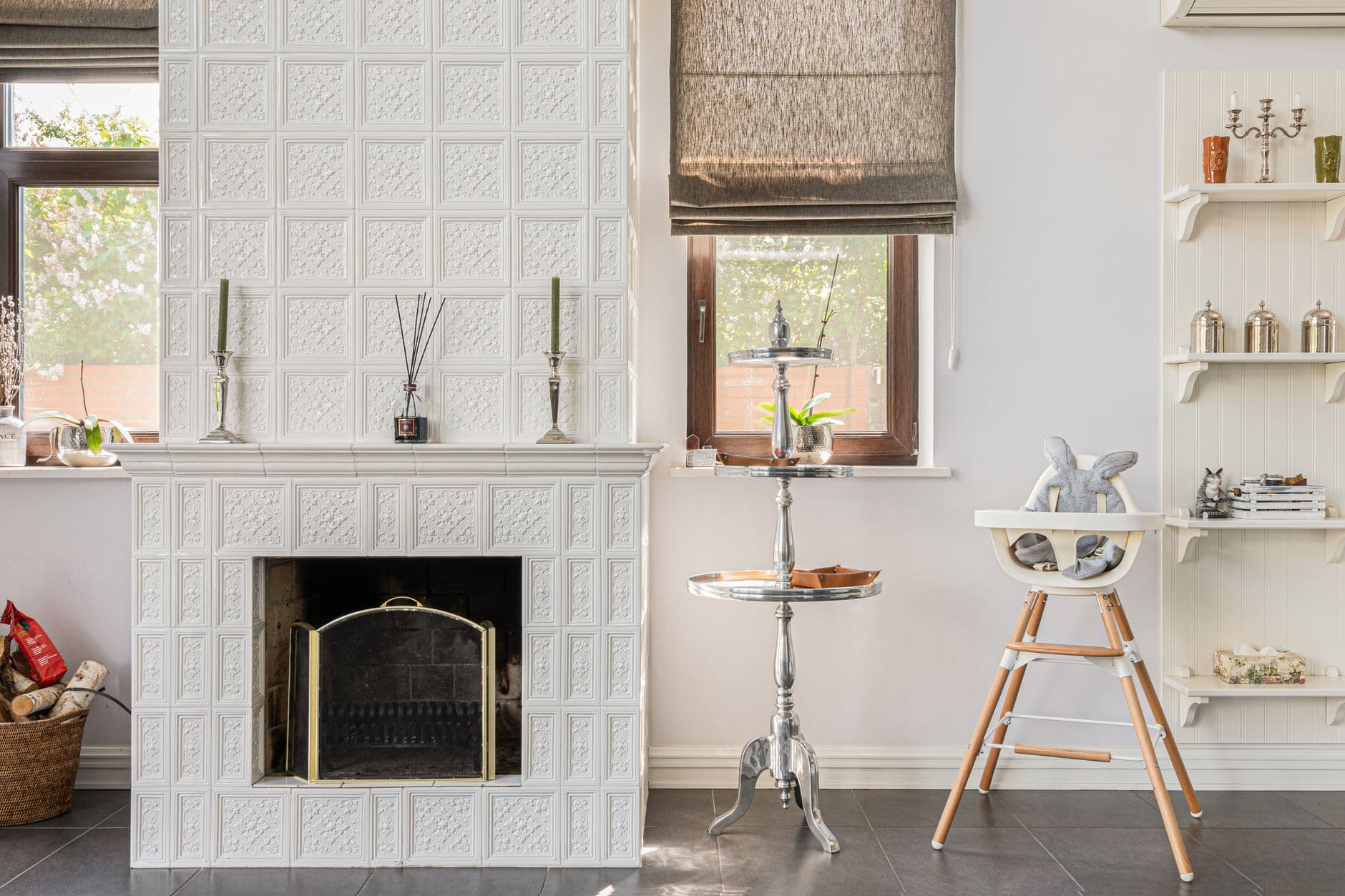
For buyers who want the traditional fireplace experience, wood is not really replaceable. The unpredictable movement of real flame, the smell of wood smoke, the sound of a fire actually burning, gas can approximate these but not fully match them. In Thousand Oaks and the hillside neighborhoods around it, where a lot of buyers are drawn specifically to a more traditional feel, a well-maintained wood-burning fireplace with documentation showing it's been swept and inspected can be a genuine selling point rather than a liability.
The key phrase there is well-maintained and documented. An undocumented wood fireplace with no recent service history reads as a question mark. The same fireplace with a clean Level 2 inspection report attached reads as a feature.
Where Gas Tends to Have the Edge
For buyers focused on convenience and lower ongoing maintenance, gas usually wins the comparison, and that preference shows up clearly in this market. A gas fireplace also sidesteps a specific local concern: our county's air quality agency has the authority to declare no-burn days when regional conditions call for it, a restriction that applies to wood-burning fireplaces but not to gas units. Buyers who want a fireplace they can use on their own schedule, without checking whether that day happens to be one of the restricted ones, particularly in HOA-governed communities common throughout the Conejo Valley, often see that as a meaningful advantage.
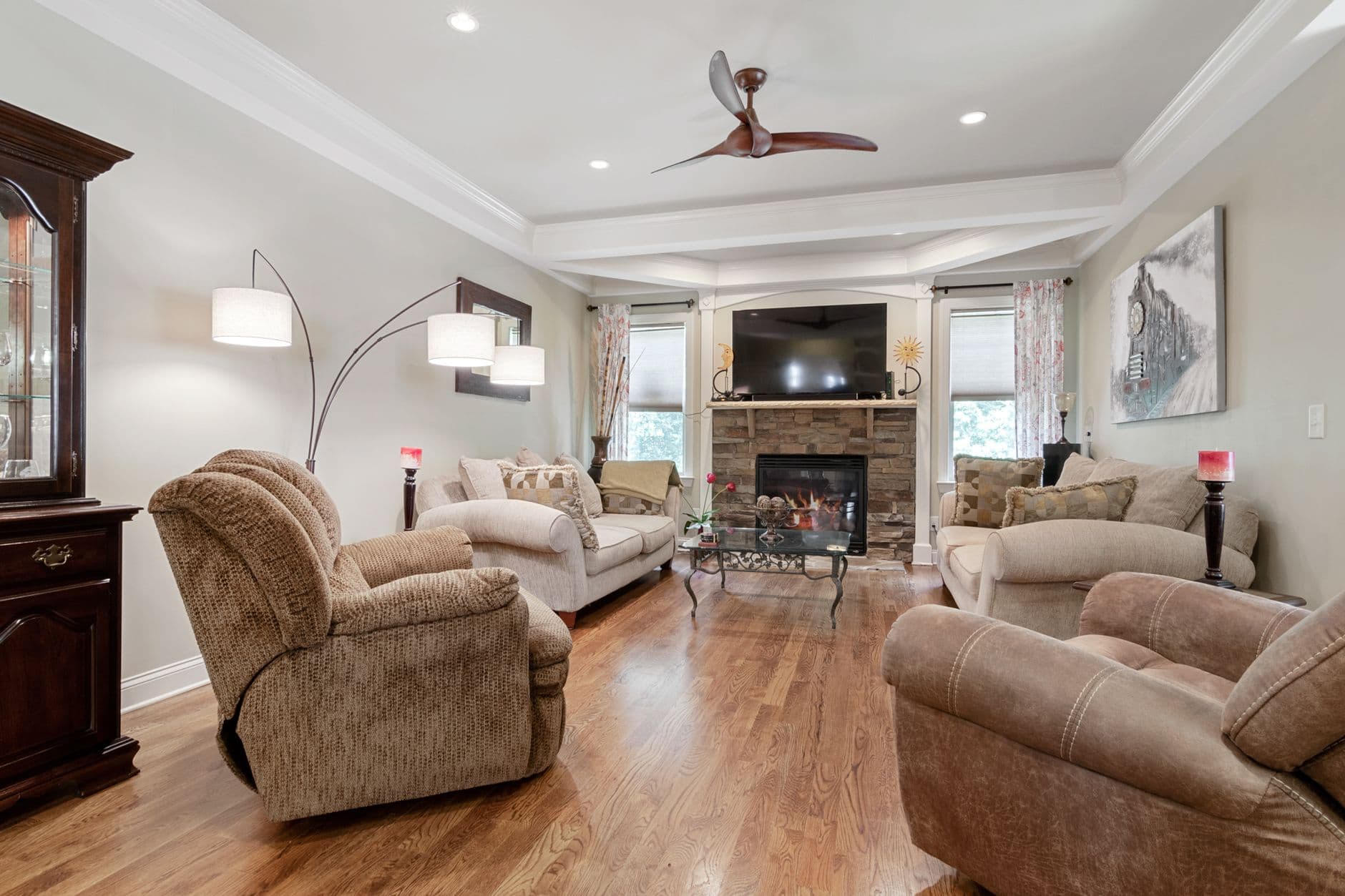
Gas also tends to photograph well for listings. A gas fireplace can be lit consistently for every showing and every listing photo, giving a reliable, warm image every time, where a wood-burning fireplace depends on someone actually building a fire beforehand.
The Conversion Question
Some sellers, especially those with a wood-burning fireplace that's sat mostly unused for years, consider converting to gas before listing. It's worth weighing against simply documenting and maintaining the existing wood system instead. A conversion changes the character of the room and can appeal to convenience-focused buyers, but it's a bigger project to complete on a listing timeline, and it removes the fireplace as a selling point for buyers specifically seeking the traditional option. There's no universal right answer here. It depends on the buyer pool a particular Thousand Oaks or Camarillo neighborhood tends to attract, which a local agent usually has a good read on.
What Matters More Than Fuel Type Alone
Whichever fuel type a home has, condition matters more to most buyers than the fireplace they'd have picked themselves. A wood-burning fireplace with a clean sweep, a documented Level 2 inspection, and a properly fitted cap presents as a cared-for feature regardless of a buyer's personal preference. A gas fireplace with a pilot light that won't stay lit or a burner assembly that's never been serviced undercuts the exact convenience argument that's supposed to be its selling point.
For buyers evaluating either type during a purchase in Oxnard, Ventura, or Santa Paula, the same rule applies in reverse: don't assume gas means low risk or wood means high maintenance without checking. A gas unit with deferred service and a wood fireplace with recent documentation can land in opposite positions from what the fuel type alone would suggest.
How Appraisers and Agents Weigh the Difference
Local agents who list regularly across Ventura County tend to describe the fuel-type question the same way: it rarely determines whether a home sells, but it does shape how quickly a buyer forms a favorable impression of that one room. A working, well-documented fireplace of either type generally supports the listing description without becoming a point of contention. A fireplace of either type left in questionable condition becomes something a buyer's agent brings up during negotiations, regardless of which fuel it burns.
A Side-by-Side Look at What Each Path Involves Before Listing
Documenting an existing wood-burning fireplace: a sweep to clear creosote, a Level 2 camera inspection of the flue, a cap check for the coastal or hillside conditions specific to the property's location, and a written report a listing agent can reference directly in the disclosure packet.
Documenting an existing gas fireplace: a pilot and thermocouple check, a burner and log cleaning, a glass panel inspection, and a vent check to confirm the unit will light reliably and consistently through every showing.
Considering a conversion: a review of the existing flue and venting to confirm what a gas conversion would require, a realistic timeline check against the planned listing date, and an honest conversation about whether the buyer pool in that specific neighborhood tends to favor gas convenience or wood-burning character.
Questions Worth Asking Before You Decide
Sellers weighing this decision often find it helps to ask a few direct questions first. How often has the fireplace actually been used in recent years, and does that usage history suggest it's more of a decorative feature or a functional one for the next owner? Is there budget and time in the listing schedule for a conversion, or does documenting and maintaining what's already there make more sense given how soon the home needs to go on the market? And does the immediate neighborhood, whether that's a hillside enclave in Thousand Oaks or a coastal block in Ventura, tend to draw buyers who specifically ask about one fuel type over the other? None of these questions has a universal answer, but working through them ahead of listing beats guessing after an offer is already on the table.
Making the Fireplace Work for Your Sale
Whether you're listing a wood-burning fireplace in Thousand Oaks and want documentation ready for buyers, or you're weighing a gas conversion before putting a Camarillo or Ventura home on the market, Brooks & Son Chimney Sweep's technicians service both fuel types and can walk you through what makes sense for your specific listing. Call (805) 225-8054 to talk through your options and get whichever system you have ready to present with confidence.
The fireplace a buyer falls for during a showing and the fireplace that actually closes a sale without complications aren't always the same thing. Getting the maintenance and documentation right is what brings those two together.
Need Professional Chimney Service?
Our CSIA-certified technicians are ready to help with all your chimney and fireplace needs. Contact Brooks & Son Chimney Sweep today for expert service throughout the Ventura County service area.